Why mutual learning matters — in Cheboksary and at home
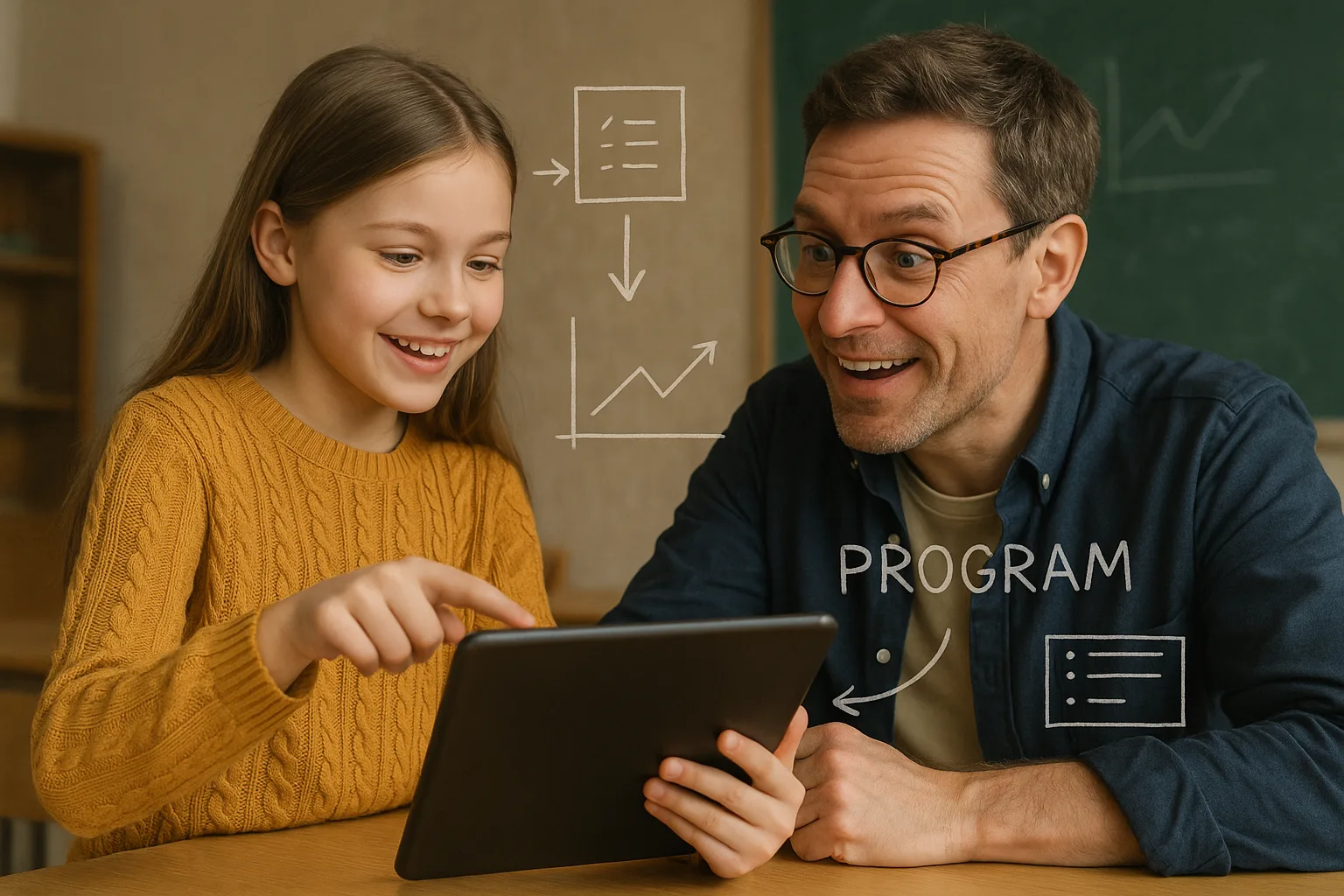
Mutual learning — children and adults learning together — strengthens relationships, builds communication skills, and deepens cultural identity. In Cheboksary, with its rich Chuvash traditions and riverside public life, family- and community-based education offers unique opportunities: intergenerational storytelling on the Volga embankment, hands-on cultural projects, and local community spaces that support cooperative learning. This article gives practical methods, daily routines, and community-based ideas to make cooperative pedagogy work for families, schools, and mentors.
Core principles of cooperative pedagogy
— Shared agency: everyone (child or adult) contributes knowledge and choices.
— Respectful reciprocity: teaching and learning are two-way activities.
— Scaffolded support: adults guide within the learner’s zone of proximal development.
— Reflection and feedback: regular reflection helps transfer lessons to life.
— Cultural anchoring: use local history, language, and place to deepen meaning.
Practical methods for families
— Joint projects: create a family museum, cook traditional Chuvash dishes together, build a model of a local landmark. Shared goals turn chores into learning.
— Rotating mentorship: every family member takes turns being “expert” for a week (language, craft, tech, gardening).
— Co-reading and dialogic reading: read aloud together, pause for discussion, ask open questions.
— Learning-by-teaching: older children prepare short lessons for younger siblings or parents. Teaching consolidates knowledge.
— Project portfolios: keep photos, notes, and sketches of projects to review progress over months.
Communication skills to practice daily
— Active listening routine: pause, repeat back the speaker’s point, then respond.
— “I” statements: teach kids to say “I feel… when…” to reduce blame.
— Family meetings: weekly 20–30 minute sessions to plan, reflect, and celebrate.
— Problem-solving scripts: define the problem, brainstorm, choose a trial solution, review results.
Emotional development activities
— Emotion vocabulary: use photo cards or local stories to name feelings.
— Calm-down toolkit: breathing exercises, a quiet corner, short guided visualizations.
— Empathy walks: take a short walk along the Volga embankment or in a park and imagine another person’s perspective.
— Shared journaling: family members write or draw a weekly gratitude or learning note to exchange.
Mentorship in the community: finding and organizing mentors
— Start local: ask teachers, university students, cultural center staff, or artisan elders to volunteer short sessions.
— Peer mentoring: pair older and younger students for homework clubs or hobby groups.
— Micro-mentorships: invite a local craftsman, musician, or scientist for one-hour workshops.
— Institutional partnerships: collaborate with schools, libraries, and community centers to run after-school cooperative programs.
— Online supplements: use webinars or local-language online courses to connect Cheboksary families with wider mentoring networks.
Joint educational experiences in Cheboksary
— Use place-based learning: local nature, markets, festivals, and the Volga shoreline as outdoor classrooms.
— Cultural projects: document family or community stories in mixed-age oral history projects.
— Museum and exhibition days: combine visits with follow-up creative tasks (draw, write, reenact).
— Community service: intergenerational volunteer projects build skills and civic responsibility.
Sample weekly plan (flexible)
— Monday: Family meeting + rotating mentor announcement (20–30 min).
— Tuesday: Co-reading night (30–45 min).
— Wednesday: Hands-on project time (60–90 min) — cooking, craft, or science.
— Thursday: Skill-share micro-lesson (15–30 min) by a child or adult mentor.
— Friday: Community outing or online workshop (variable).
— Weekend: Reflective activity — shared journal, portfolio update, or family presentation.
Tips for teachers and program organizers
— Build mixed-age groups for richer peer learning.
— Use short, tangible outcomes to keep motivation high (a completed recipe, small model, or presentation).
— Train adult volunteers in active listening and scaffolding — mentorship is a skill.
— Honor local language and customs — including Chuvash traditions can improve engagement.
— Evaluate qualitatively: observe interactions and collect short reflections rather than only testing.
Measuring progress and keeping motivation
— Focus on process goals: collaboration, curiosity, and communication—not only grades.
— Celebrate small wins publicly: display project work at home or in community spaces.
— Keep short review sessions: what worked, what was hard, next steps.
— Rotate activities to maintain novelty and share leadership among family members.
Recommended reading and pedagogical influences
— Vygotsky — social development and the zone of proximal development.
— Cooperative Learning by Johnson & Johnson — practical classroom structures.
— Learning-by-Teaching approaches and peer instruction models.
— Family systems and communication books that emphasize reflective dialogue and empathy.
Final notes — starting in Cheboksary
Begin small: a single weekly co-learning evening or a short family project connects generations and builds momentum. Look for local cultural centers, libraries, university clubs, and neighborhood groups to widen your mentoring circle. Use Cheboksary’s landscapes and rich cultural life as a living curriculum to make learning relevant, joyful, and shared.
Try one of these this week:
— Host a 30-minute family skill-share where each person teaches one thing.
— Take a reflective walk together and each name three new words for feelings.
— Start a small project (recipe, model, story collection) and document it with photos to review next month.
If you’d like, I can draft a two-month family learning plan tailored to your household’s ages and interests in Cheboksary.