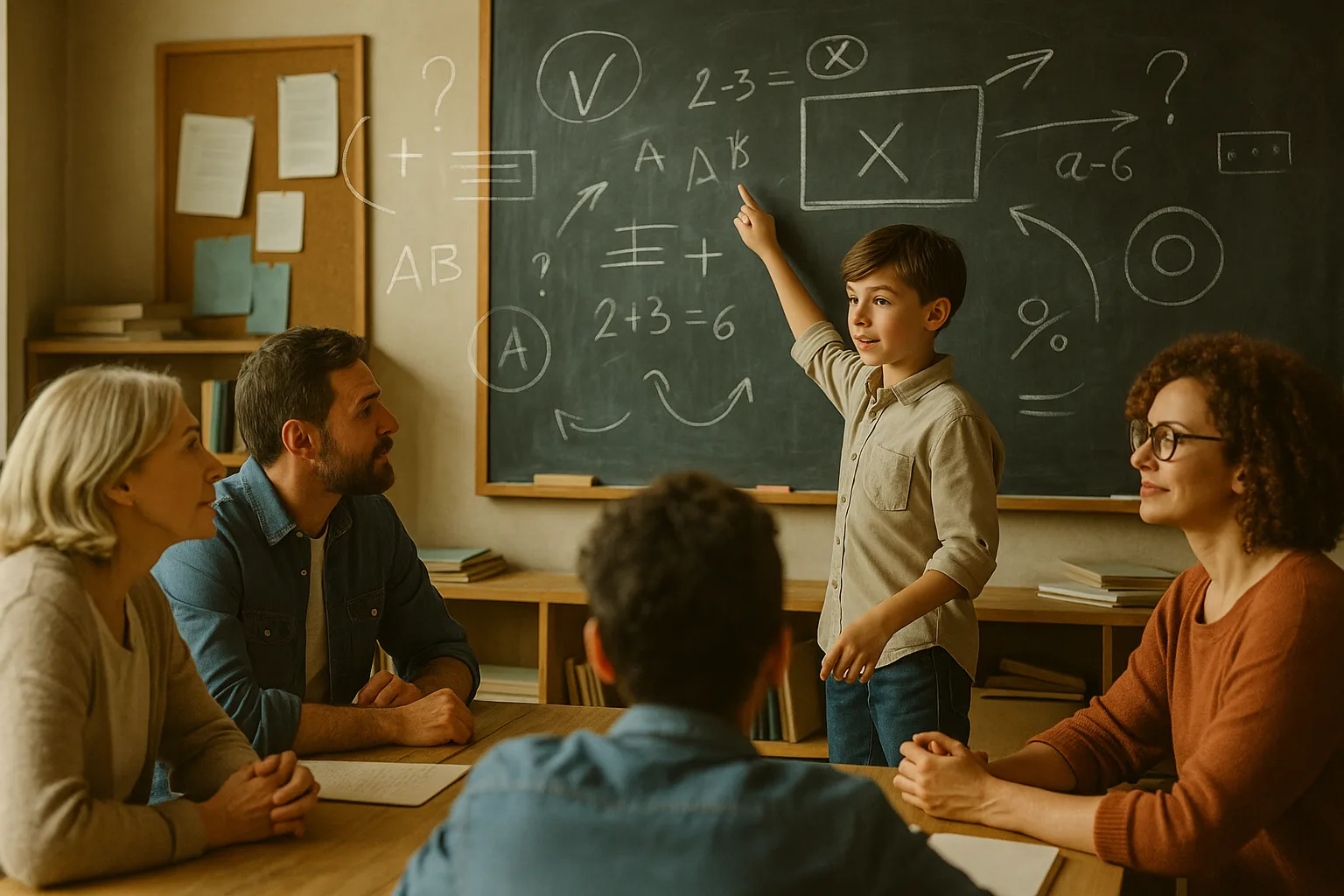
Mutual Learning in Cheboksary: Practical Practices for Families, Schools and Mentors
Cheboksary — with its riverside parks, multi‑generational households, and rich Chuvash‑Russian cultural blend — is an ideal place to cultivate mutual learning. When children and adults teach and learn together, education becomes a cooperative, living process: families strengthen relationships, schools deepen community ties, and mentors support both cognitive and emotional growth.
Below are practical approaches, ready-to-use activities, and guidance for parents, teachers, and community leaders who want to build a pedagogy of cooperation in Cheboksary.
Why mutual learning matters
— Builds *communication skills*: children learn to explain; adults learn to listen and adapt.
— Strengthens *emotional development*: shared reflection increases empathy and self‑regulation.
— Encourages *agency and mentorship*: children become contributors rather than passive recipients.
— Deepens *cultural continuity*: family stories, language (Chuvash and Russian), and traditions are transmitted collaboratively.
Core principles of pedagogy of cooperation
— *Reciprocity*: everyone is both learner and teacher.
— *Respectful scaffolding*: adults support, but do not replace, learners’ discovery.
— *Shared goals*: set clear, achievable objectives together.
— *Reflective practice*: built‑in moments to discuss what worked and what to change.
— *Accessibility*: activities should fit different ages, languages and abilities.
Practical methods and joint experiences
— Family project nights
— Choose a short project (build a small garden box, document a family recipe, create a photo story).
— Assign roles (researcher, recorder, presenter) and rotate roles each week.
— Learning walks along the Volga and city parks
— Collect observations, sketch, record sounds, then research findings together.
— Storytelling & oral history
— Elders tell family or Chuvash community stories; children record and retell, adding illustrations or dramatizations.
— Cooking as curriculum
— Prepare local dishes together to explore measurements, chemistry, vocabulary, and heritage.
— Museum and cultural center co‑learning
— Before visiting: agree on questions; during: take notes; after: create a shared reflection (map, timeline, short play).
— DIY science and maker activities
— Simple experiments at home (water filtration, plant growth) with hypothesis, test, and reflection steps.
— Peer and cross‑age learning circles
— Older students mentor younger ones in language, reading, or coding; younger children teach games or digital tricks in return.
— Language exchange tables
— Combine Chuvash and Russian practice in family or community sessions to promote bilingual fluency.
Mentorship models that work
— Family mentorship
— Parents guide projects; grandparents act as cultural mentors; children take leadership on tech or modern topics.
— School‑community mentorship
— Teachers recruit local volunteers (craftspeople, university students) for joint lessons and workshops.
— Reciprocal (reverse) mentoring
— Children teach adults digital skills; adults teach life skills and cultural knowledge.
— Peer mentorship program outline
— Match based on interests, meet weekly, set small goals, end with a shared showcase.
Communication and emotional development practices
— Practice active listening: repeat back what you heard before responding.
— Use «I‑statements»: «I feel proud when…», «I’m worried because…».
— Emotion check‑ins: start sessions with a quick mood meter (happy, tired, curious).
— Restore rather than punish: use restorative conversations to repair misunderstandings.
— Teach and model self‑regulation: breathing exercises, short breaks, and clear routines.
Sample weekly family learning plan (flexible)
— Monday (30–45 min): Planning — pick a mini project and assign roles.
— Wednesday (30 min): Skill session — read together, do an experiment or practice language.
— Friday (45–60 min): Project work — cooking, crafting, or visiting a site.
— Sunday (20 min): Reflection — share successes, challenges, and next steps; rotate who leads.
For schools and community organizations in Cheboksary
— Host monthly «Family Learning Nights» with hands‑on workshops and discussion circles.
— Train teachers in cooperative facilitation and family engagement techniques.
— Partner with local cultural institutions and volunteer groups to provide intergenerational content.
— Use outdoor classrooms (parks along the Volga) for inquiry projects.
— Encourage student showcases at community venues (libraries, cultural centers) to celebrate joint learning.
Measuring impact — simple and practical
— Portfolios: photos, drawings, recorded stories, and short reflections.
— Short surveys or mood charts for children and adults after sessions.
— Observation notes by teachers/mentors on communication, participation, and confidence.
— Showcase events to assess growth in presentation and collaboration skills.
Overcoming common challenges
— Time constraints: keep sessions short and regular; integrate learning into daily routines (cooking, walks).
— Resistance from adults: start with low‑pressure activities that demonstrate quick wins.
— Language barriers: use bilingual prompts, visual aids, and role rotation to share responsibility.
— Digital distraction: designate tech‑free times and make screen activities intentional and collaborative.
Starting small — a 3‑step pilot in your neighbourhood
1. Convene 5 families for a four‑week experimental circle (choose a theme: local nature, food, or family stories).
2. Run weekly 45–60 minute sessions following the sample plan above.
3